Patient Education
How to brush your teeth
Daily Care, Done Well
Start with the right tools
The first step is choosing a good toothbrush. You always want a soft brush with a small head — soft bristles are firm enough to remove plaque, yet gentle enough not to damage your teeth or gums. Next comes the toothpaste: in general, any toothpaste that contains fluoride will do the job, unless you have special needs your dentist has identified.
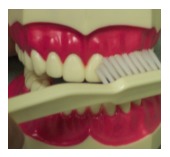
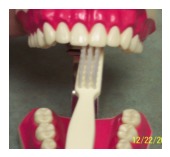
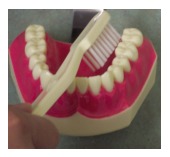
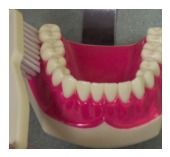
The technique
The first rule of brushing is to start from a specific location and work your way around to the opposite side, continuing through the whole mouth so you end where you started — that way you won’t miss any area. A pea-sized amount of toothpaste is enough, and an adequate brushing should take at least 2 minutes — ideally closer to 4.
- Hold the brush at a 45° angle toward the teeth and gums
- Gently press so the bristle tips reach just between gum and tooth
- Apply a few short lateral strokes, then roll the brush down to sweep plaque away
- Repeat 6–10 times, then move to the next area of 2–3 teeth
- Use short strokes on chewing surfaces to clean the grooves and pits
- Hold the brush vertically to reach behind your front teeth
If your mouth fills with foam, just spit and keep going — your brushing is complete when you have brushed all the surfaces of your teeth, not when your mouth is full!
How often?
Ideally, brush after each meal. If that’s not practical, brush at least twice a day — after breakfast and before going to bed. Pair brushing with daily flossing to clean the surfaces your brush can’t reach.
Keep Learning